Pendant, Wristband or Smartwatch: Choosing Personal Alarms for Older People
Choosing between a pendant, wristband or smartwatch is less about picking the smallest gadget and more about matching the alarm to a real week. Personal alarms for older people work best when they are easy to wear, easy to press and close to the person when something goes wrong. A device left on the kitchen bench may have excellent features, but it is not much help during a fall in the hallway.
The main options all aim to make help reachable, yet they feel quite different in daily life. A pendant is familiar and simple. A wrist-worn alarm stays with the hand and may suit people who move around often. A smartwatch can offer a broader set of functions, but may ask more from the wearer. The right choice depends on routine, comfort, confidence with technology and the kind of support that matters most.
Start with where the alarm will be worn
A pendant alarm has a long history for a reason. It sits at chest height, is visible to others and usually has a clear button that can be pressed without needing to find a screen. For someone who prefers a familiar item around the neck, this can be reassuring. It also suits a person who keeps to a regular home routine and does not want to learn a new device.
The trade-off is that some people dislike anything around the neck, especially during sleep, exercise or hot weather. Clothing can cover the button. A pendant may also catch on furniture or jewellery if the cord is too long. A shorter cord and a soft, light design can reduce these issues, but comfort still needs an honest check.

A wrist-worn alarm solves a different problem. Because it is attached to the arm, it is often easier to locate by touch. If someone hears a strange noise outside, gets up at night or feels unsteady while walking, the wrist is a natural place to reach. For people who already wear a watch, the change may feel small.
Smartwatches sit at the more flexible end. They can combine an SOS button with prompts, calls and activity features. That flexibility can be useful when the wearer is comfortable with charging, menus and settings. It can become a source of frustration if the person only wants one obvious button. Extra functions are helpful only when they are actually used.
Think about the day, not just the device
Daily routines shape the choice more than many feature lists. Someone who spends most of the day at home may value a device that is always around the neck and easy to see. Someone who gardens, walks to the shops or visits friends may prefer a wrist-worn alarm that stays put under a sleeve. A person who already relies on a phone and enjoys wearable tech may be happier with a smartwatch.
Sleep is worth considering too. Falls and sudden health problems do not only happen during the day. If an alarm is removed at bedtime, it cannot be used then. A lightweight pendant or a comfortable wristband may be more practical overnight than a bulkier watch. Water resistance also matters for handwashing, showers or light rain, though no wearable should be treated as indestructible.
There is also the question of what happens after an alert. Some people want a direct way to speak, so two-way voice can make the response feel less alarming. Others want location details included, especially if they spend time away from home. The aim is to reduce confusion at the moment help is needed, not to fill the device with options that never get used.
Sites such as familyr.co.nz describe wearable medical alarms in New Zealand that connect people with trusted contacts through SOS alerts, fall detection, GPS location and two-way calling without a monthly monitoring fee. That kind of setup shifts the decision towards how the person and their contacts want alerts handled, as well as which form of wearable will be worn consistently.
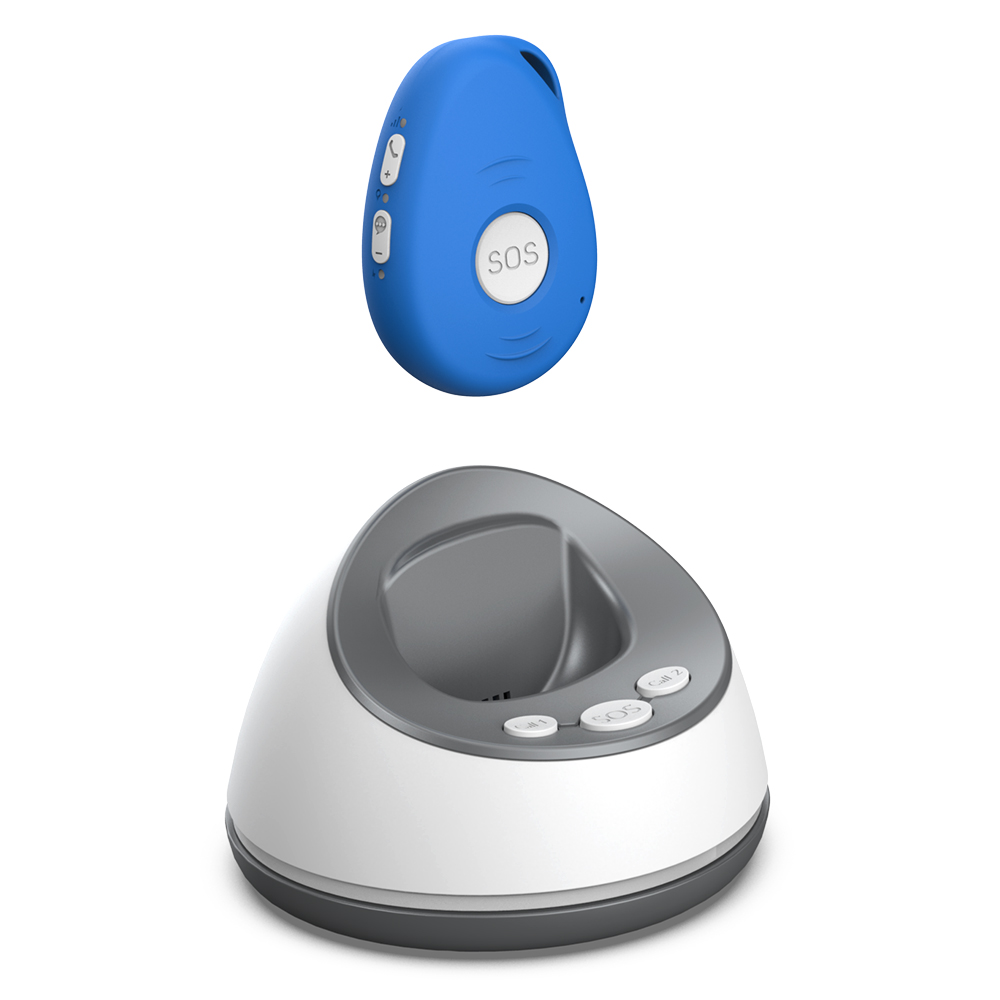
Matching each option to common situations
Pendant alarms
A pendant often suits someone who wants the simplest possible action: press a visible button. It can work well for a person with limited hand movement, because it does not require looking at a small screen. It may also suit people who prefer not to carry a phone from room to room. The main checks are cord comfort, button size, weight and whether the pendant sits comfortably over clothing.
Wrist-worn alarms
A wristband or wrist alarm may suit an active routine. It stays on the body during errands, walks and household tasks. It can be easier to find in the dark and less likely to be forgotten when leaving home. Some wearers like that it looks more like a watch than a medical device. A poor fit, however, can rub or slide around, so strap comfort and adjustability deserve attention.
Smartwatches
A smartwatch can suit someone who already uses a smartphone and is comfortable with regular charging. It may bring together alerts, calls and location features in one place. For a person who likes custom settings and reads notifications easily, that can be a good fit. For someone who finds menus confusing, the extra steps may slow down the very moment the alarm is meant to simplify.
Questions worth asking before choosing
The best way to compare options is to imagine ordinary moments, not only emergencies. Ask what the person wears now, what they forget and what they can manage without help. A device that is removed each evening or left charging in another room will not cover the whole day. A device that feels awkward may be tolerated at first, then quietly abandoned.
- Can the wearer press the SOS button quickly without seeing it clearly?
- Will the device be worn while sleeping, showering and leaving the house?
- Are emergency contacts easy for the wearer to understand and trust?
- Is battery life long enough for the persons routine, with a simple way to recharge?
- Does the design feel acceptable to the wearer, not just to relatives?
Comfort should carry real weight. A person may say they like a device but still take it off because the strap irritates the skin or the pendant feels heavy. If possible, compare how each option sits during ordinary tasks such as making a cup of tea, opening a gate, using stairs or getting ready for bed. The alarm should not feel like a constant reminder of frailty. It should feel like a practical part of getting through the day.
Setup also deserves a calm look. A simple setup process can help the wearer feel confident from the start. Contacts need to know what an alert means and how they will be reached. If fall detection or GPS location is included, the person should understand what it does and does not do. Clear expectations reduce worry later.

There is no single best form for every older person. A pendant may be right for someone who values simplicity and wears it without fuss. A wrist-worn alarm may suit a person who is often moving or wants the button close to hand. A smartwatch may fit someone who already enjoys wearable technology and can manage the extra demands. The practical choice is the one that stays on, can be used under stress and connects the wearer to help in a way that makes sense for their everyday life.
Before deciding, compare the options against the persons actual habits rather than a list of possible features. Notice when the alarm would be worn, how it would be pressed and who would respond. Those details often matter more than the shape of the device. For families looking at personal alarms for older people, that routine-first approach keeps the decision grounded and makes the final choice easier to live with. Information from familyr.co.nz may help frame what a connected wearable can offer, while the wearers comfort and confidence should guide the form it takes.